Unpacking the Digital Footprint: What We Actually Find
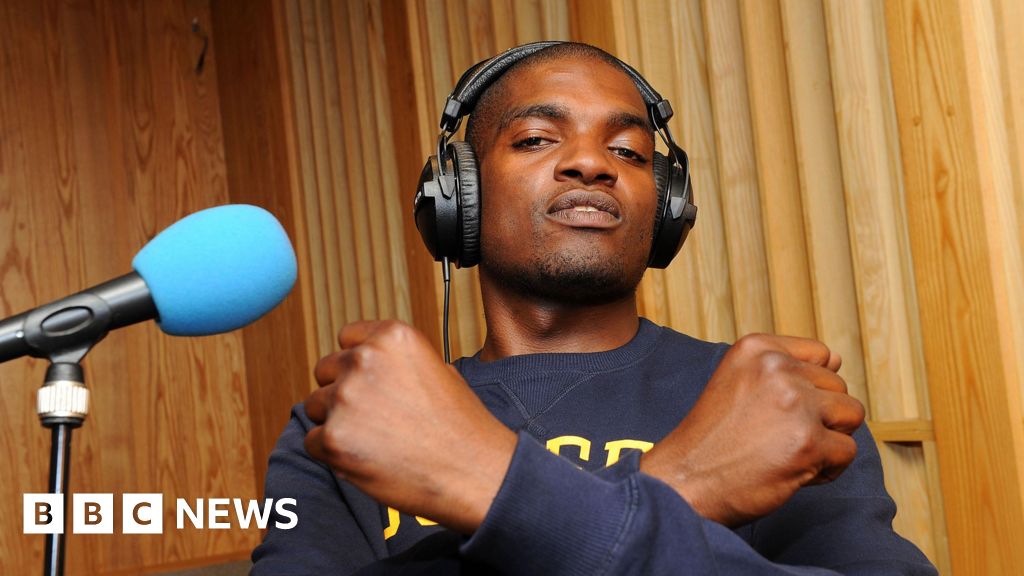
The internet is a vast, often chaotic repository of information, where facts, rumors, and speculation intertwine. For public figures, their digital footprint becomes a complex tapestry of their work, their public persona, and sometimes, even unfounded narratives. Dot Rotten, also known as Zeph Ellis, a seminal figure in the UK grime scene, is no stranger to this phenomenon. A recurring and often unsettling search query that emerges around his name is "dot rotten death." This article aims to cut through the noise, examining his actual digital presence to reveal what verifiable information exists and to address the persistent rumors surrounding his passing.
Dot Rotten's contributions to grime, hip-hop, and music production are undeniable. His career spans years, marked by raw lyrical prowess, innovative beats, and a fearless approach to storytelling. When we delve into his online footprint, what immediately surfaces is a rich legacy of musical output. For instance, his track "4AM IN THE MORGUE" stands out not as a morbid confession, but as a testament to his unique artistic vision and ability to delve into darker, introspective themes. These lyrics, found across various music platforms, showcase a master wordsmith exploring the depths of emotion and urban reality, a hallmark of his style rather than a literal reference to personal demise.
Beyond his solo work, Dot Rotten's digital trail is also littered with significant collaborations. His feature on tracks like Lunar C's "Obstacles" is another clear indicator of his active participation in the music industry. These collaborative efforts, readily available on platforms like Shazam and YouTube, further solidify his image as a continually evolving artist and producer, not a historical figure whose career has ended prematurely. His presence on these tracks speaks volumes about his ongoing relevance and the respect he commands within the music community.
The Curious Case of "Dot Rotten Death" Searches
Despite a vibrant and active digital discography, the search term "dot rotten death" persists, generating significant traffic. This phenomenon isn't unique to Dot Rotten but highlights a broader issue of how misinformation or misinterpreted signals can take root online. Several factors might contribute to the prevalence of this particular query:
- The Provocative Stage Name: "Dot Rotten" itself carries connotations of decay or an edgy, rebellious spirit. For those unfamiliar with the artist's work or the artistic intent behind such a name, it might inadvertently spark morbid curiosity.
- Periods of Public Quiet: Like many artists, Dot Rotten may experience periods of less public-facing activity while focusing on production, new projects, or personal life. Such gaps can sometimes be misinterpreted by a fervent fanbase or casual observers as an absence, leading to speculative searches.
- Misinformation and Rumors: The internet, unfortunately, is a fertile ground for rumors. A single unverified post on social media or a misunderstanding can quickly propagate, leading many to search for confirmation of something that never occurred.
- Search Engine Ambiguitiy: A fascinating aspect revealed through online searches is how generic terms can conflate. A search for "dot rotten" might, for example, pull up image results from Getty Images related to literal mold, decay, or grunge aesthetics, rather than the artist himself. This visual ambiguity can inadvertently feed into the "rotten" aspect of his name, potentially leading users down a misleading path when they are actually looking for information about the artist.
What is crucial to understand is that despite the volume of these searches, a thorough investigation of reputable news outlets, official music industry announcements, or direct statements from the artist or his team reveals a consistent lack of credible information corroborating any claims of his death. This absence of evidence from authoritative sources is, in itself, a powerful piece of information.
Navigating Online Information: The Challenge of Verification
In an age where information overload is the norm, discerning fact from fiction, especially concerning personal news about public figures, is a critical skill. The persistent "dot rotten death" query serves as a prime example of why robust verification is essential. When confronted with unconfirmed reports or unsettling search suggestions, it's vital to employ a systematic approach to fact-checking.
Practical Tips for Verifying Information Online:
- Consult Official Sources: Always prioritize official artist websites, verified social media accounts (look for the blue checkmark), and official record label announcements. These are the primary channels for accurate personal and career updates.
- Check Reputable News Outlets: Major news organizations, particularly those with dedicated arts and culture desks, typically verify significant events like an artist's passing before publishing. Look for multiple independent sources reporting the same information.
- Be Wary of Social Media Hype: While social media can be a source of breaking news, it's also a hotbed for unverified claims. Approach trending topics or viral posts with skepticism until confirmed elsewhere.
- Examine the Date and Context: Old news can resurface, or information can be taken out of context. Always check the publication date of an article or post.
- Consider the Source's Agenda: Some websites or social media accounts might prioritize clicks over accuracy. Be critical of sensational headlines or sites with a history of publishing unverified content.
The journey to understand Dot Rotten's digital footprint underscores the importance of these verification steps. When searching for sensitive information, especially regarding a public figure's well-being, relying on the first search result or a single unverified social media post can lead to significant misunderstandings. For more detailed insights into navigating these challenges, you might find value in exploring Dot Rotten Death: What Web Context Reveals (or Doesn't) and Searching for Dot Rotten's Death? Fact-Checking Available Sources.
The Artist's Own Narrative: Zeph Ellis's Ongoing Legacy
Perhaps the most compelling evidence against the "dot rotten death" rumors is the artist's continued presence and evolution under his given name, Zeph Ellis. The rebranding and continued work as Zeph Ellis signify not an ending, but a new chapter in a dynamic career. Under this name, he has continued to produce, collaborate, and contribute to the sonic landscape, showcasing his versatility and enduring passion for music.
Zeph Ellis's digital footprint today reflects a mature artist, still pushing boundaries and influencing new generations. His journey from Dot Rotten to Zeph Ellis is a testament to artistic growth and reinvention, a common and healthy evolution for many long-standing musicians. Rather than dwelling on unfounded rumors, fans and curious individuals are encouraged to explore his current projects, productions, and collaborations to truly appreciate his ongoing impact. His legacy is not a static memory but a living, breathing body of work that continues to expand.
The Power of a Name: Why "Rotten" Sparks Curiosity
An artist's moniker is more than just a name; it's a statement, a brand, and often, a reflection of their artistic philosophy. "Dot Rotten" is undeniably a powerful and provocative choice. In the context of grime, a genre known for its raw honesty and often gritty portrayal of urban life, such a name resonated with an authentic, no-holds-barred attitude. It suggested a willingness to expose the uncomfortable, to be 'rotten' in the sense of being unfiltered and uncompromising.
However, this very power can, inadvertently, lead to misinterpretations. For those outside the cultural context of grime or unfamiliar with the artist's work, the literal interpretation of "rotten" can conjure images of decay and demise. This semantic ambiguity, combined with the often morbid curiosity of the internet, likely plays a significant role in the volume of "dot rotten death" searches. It's a fascinating case study in how a carefully chosen artistic identity can interact with public perception in unforeseen ways, especially when information is scattered and context is easily lost in the vastness of the digital realm.
Conclusion
Our comprehensive dive into Dot Rotten's digital footprint reveals a compelling narrative of an influential artist whose career continues to evolve under the name Zeph Ellis. While the search query "dot rotten death" persists, driven by a confluence of factors including misinformation, ambiguous search results, and the evocative nature of his stage name, the verifiable evidence overwhelmingly points to an active and contributing musician. There is no credible information from reputable sources confirming his death. This journey serves as a powerful reminder of the importance of critical thinking and diligent fact-checking when navigating the often-murky waters of online information. Dot Rotten's true legacy lies not in rumors of his demise, but in the enduring impact of his music, his collaborations, and his ongoing evolution as Zeph Ellis.